


Visible from ground
Bruised shingles
Hail compresses the shingle into the underlayment. The bruise is dark and soft to the touch. Insurance pays for these every time.
We've walked 247 DFW homeowners through hail and wind claims since the 2024 storm season. Here's the full map: what to do the day of, what your insurance actually covers, and where most people leave money on the table.
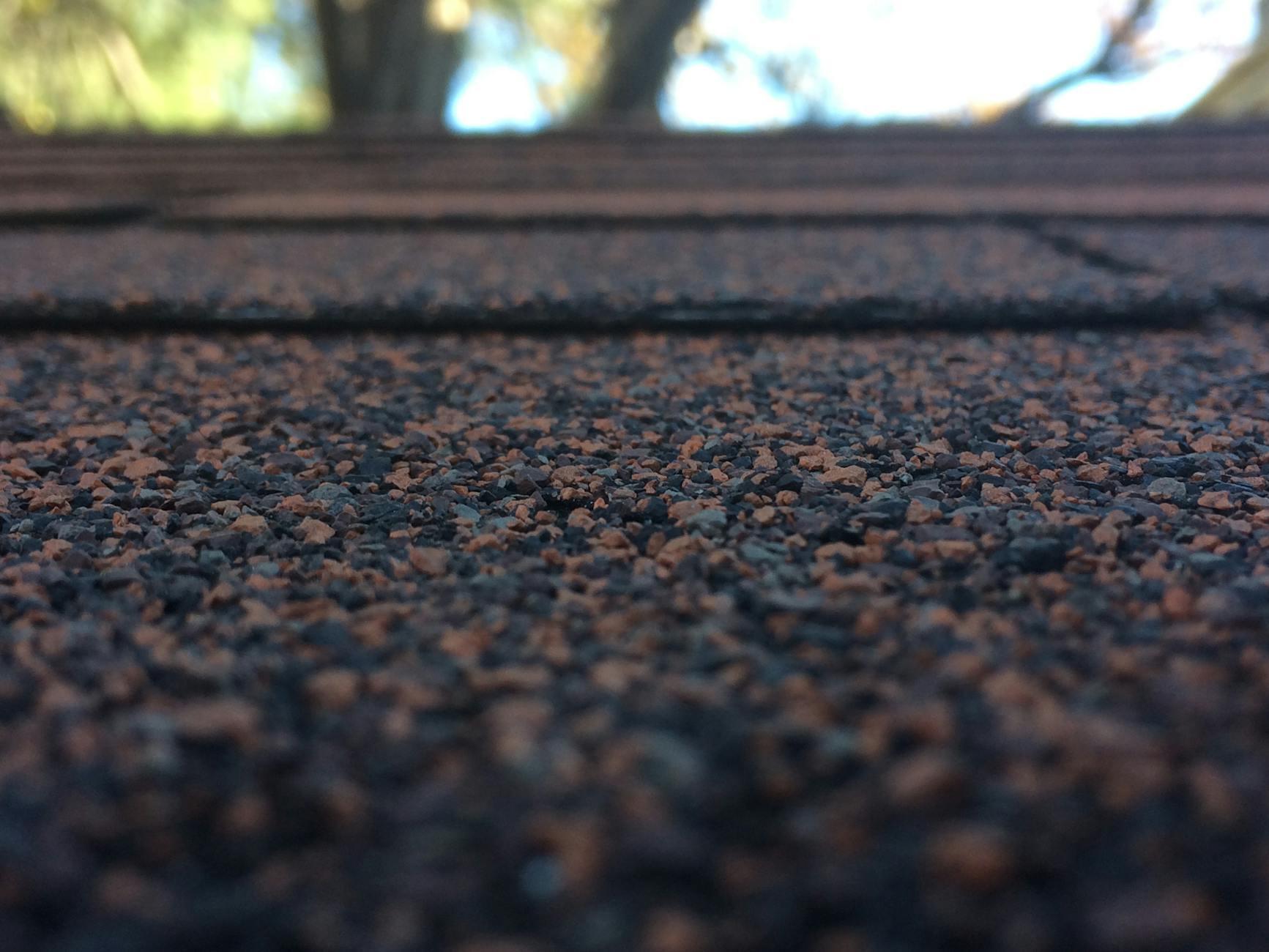
Half-dollar hail · Frisco · spring 2025
What we look for
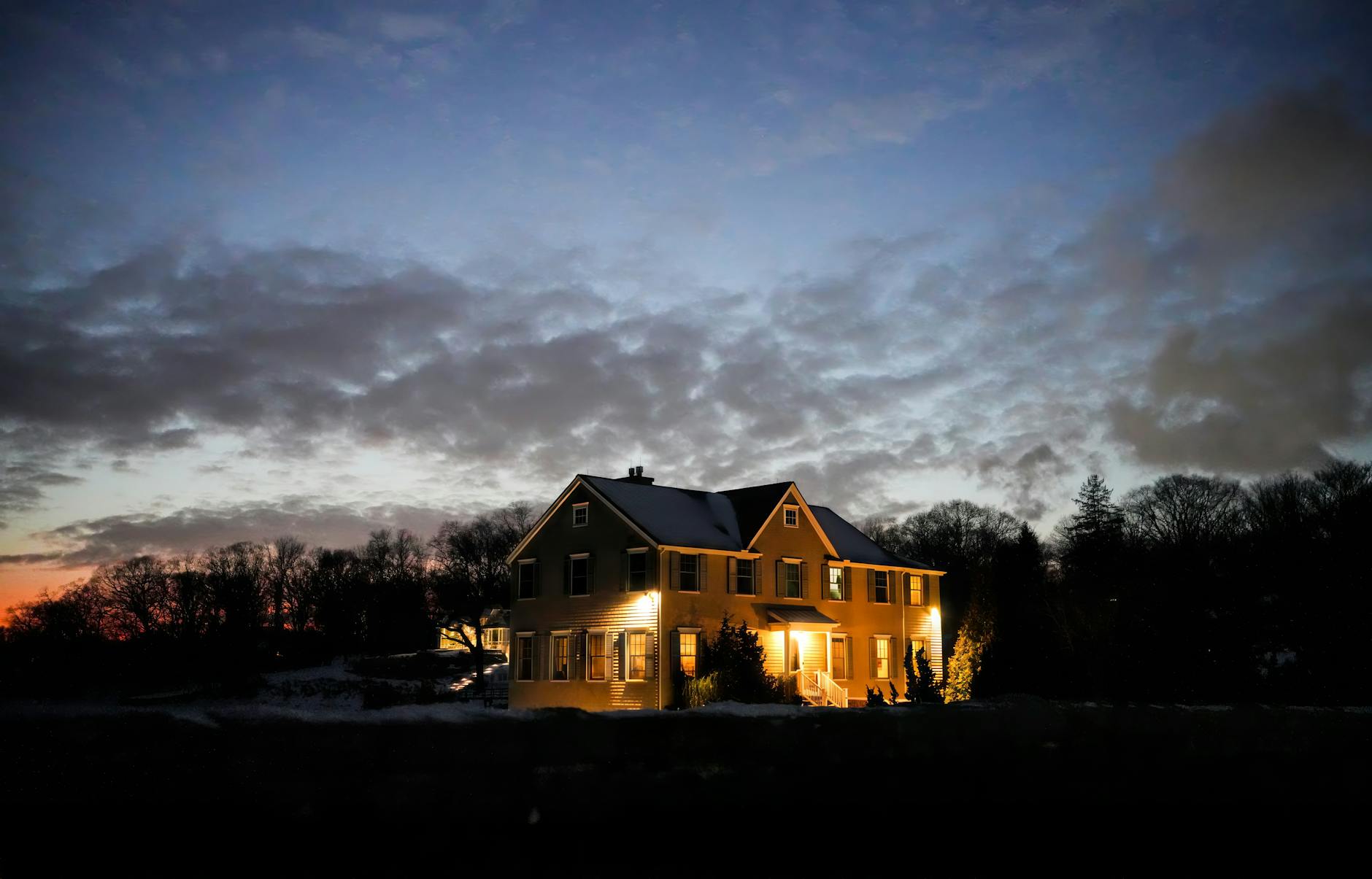
Hail damage is mostly invisible from a sidewalk. The cosmetic dents are obvious. The functional damage that actually voids your roof's warranty and cuts its remaining life - that takes a roof walk to see.
Hail compresses the shingle into the underlayment. The bruise is dark and soft to the touch. Insurance pays for these every time.
Black mat exposed where the protective granules got knocked off. Speeds up UV degradation. Often dismissed by inexperienced adjusters.
Splits running diagonal or crossing tab edges. Wind can lift them next storm. Replace immediately if extensive.
Underlying fiberglass mat cracked but no visible bruise. Shows up under thumb pressure. The worst kind because it'll leak in 18-36 months but isn't on the photo report unless we look.
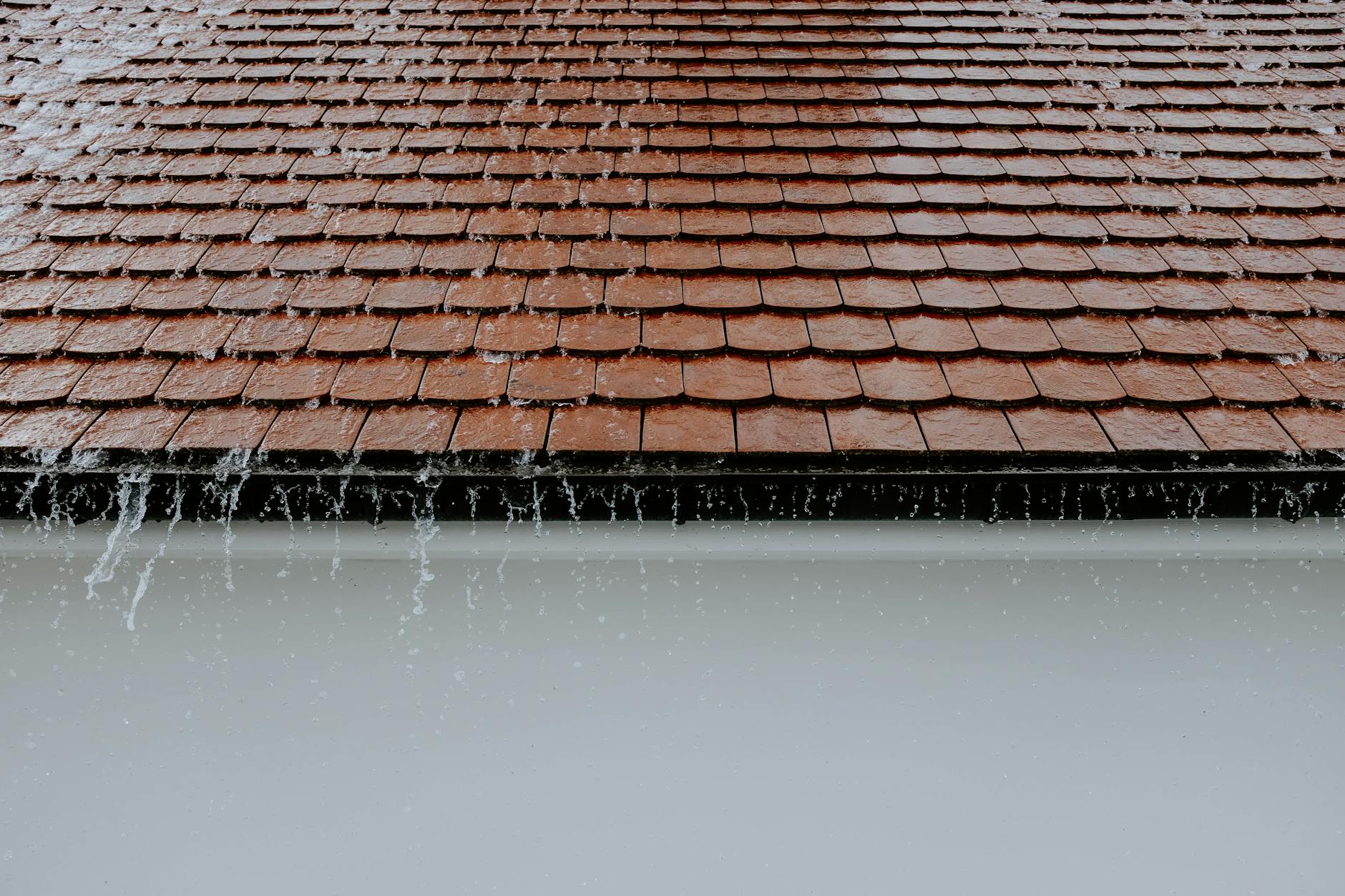
Plumbing boots, attic vents, valley metal, step-flashing. Easy to miss, easy to leak. Adjusters often skip these.
Wind-loosened seal strips. Looks fine but the next gust lifts the shingle. Requires running a fingernail along the row.
What actually happens between the storm and your final check. Honest timeline, not optimistic. Most DFW claims close inside 60 days.
Day 0-2
Photograph hail on the ground, AC fins, fence boards. The metal tells the truth about hail size - and timestamps your event for the insurer.
Day 2-7
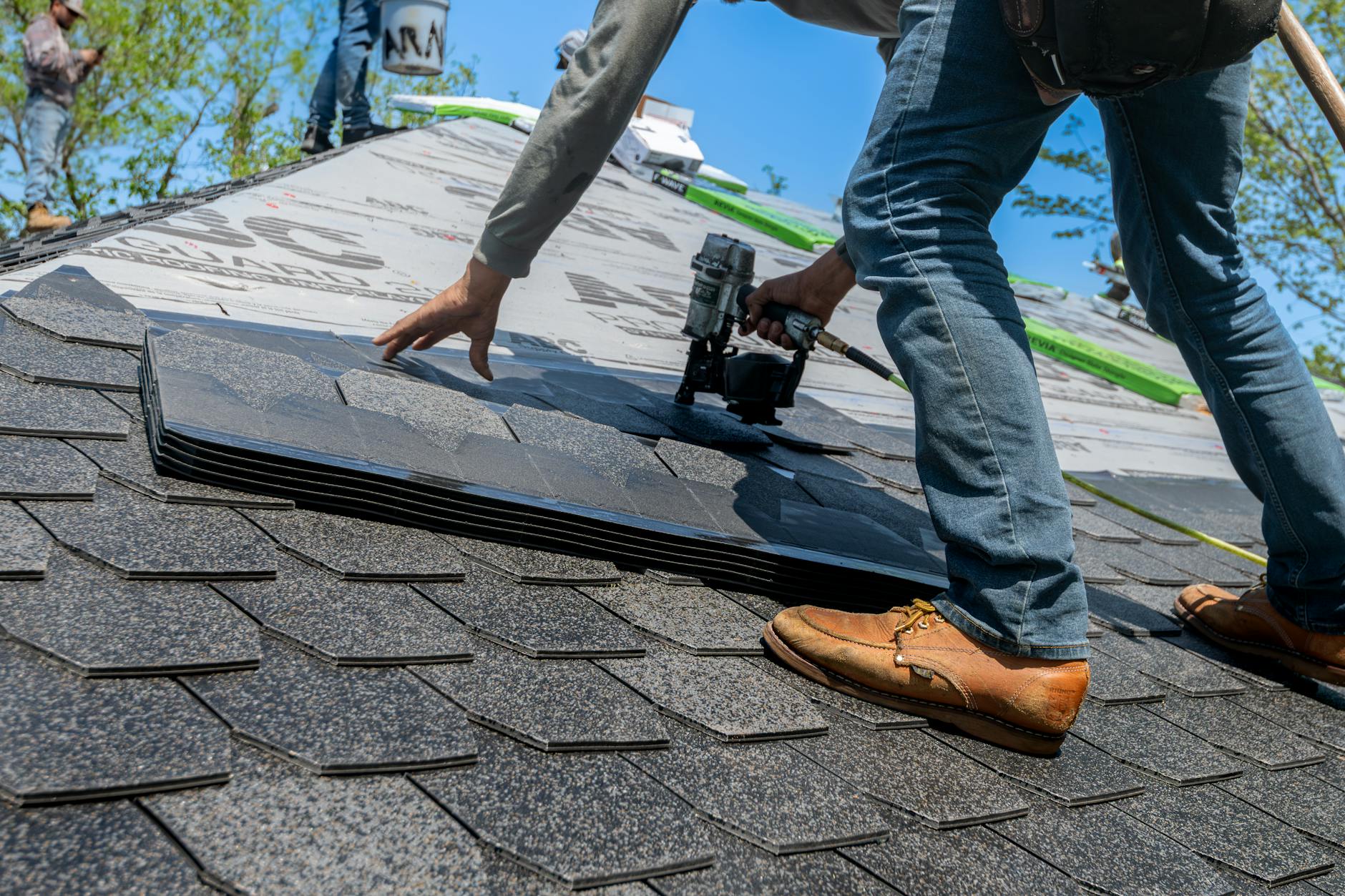
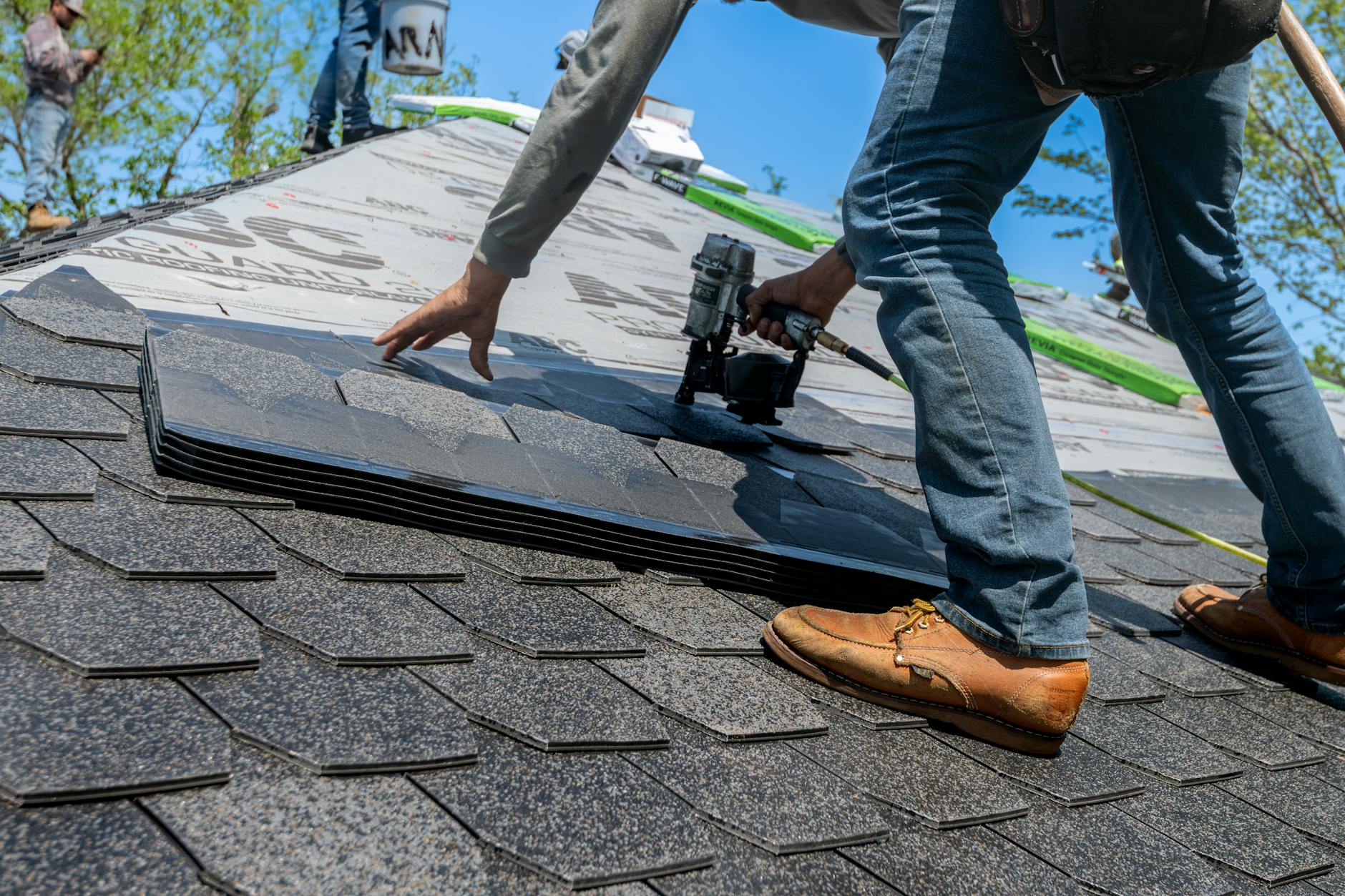
30-minute roof walk, photo report with grid map, our honest read: file, don't, or borderline. About a third of walks end with us telling you not to file.
Day 7-21
You call your insurer; they assign an adjuster. We meet them on the roof and walk together - 20 minutes there saves a supplement later.
Day 21-45
ACV check arrives. We supplement any missed items (~40% of claims need this). Tear-off and install - usually one day, same crew.
Day 45-60
Final invoice goes to insurer. Held-back depreciation (often 30-50% of total) releases to you. Your out-of-pocket: just the deductible.

Money left on the table
We're not selling you on insurance combat. We're showing you the four spots where adjusters honestly miss things, and how documentation fixes it.
Texas IRC code may require ice-and-water shield, drip edge, or starter strips that didn't exist on your old roof. Insurance pays for code, but only if you ask. Check your policy's "ordinance and law" coverage.
Ridge caps, hip caps, vents, pipe boots - usually written separately from the main roof line item. A surprising number of estimates skip them entirely.
Plywood decking under the shingles. If it's wet, rotten, or warped, it gets replaced. Most policies have decking allowance; most adjusters write zero. Should be 5-15% of jobs depending on age.
Your first check is depreciated value. The held-back depreciation (often 30-50% of the total) is yours when the job is done - but only if you finish the work and submit the final invoice. Some homeowners take the first check and never claim the rest.
A few things to know about how we handle the insurance side. We're transparent about what we are and aren't allowed to do. Texas has rules. We follow them.
Public adjusters are licensed by the state of Texas to negotiate claims on your behalf. We're roofers. We submit documentation, attend inspections, and supplement when needed, but we don't represent you in the claim. If you want a public adjuster, we know two good ones.
Texas insurance law makes that illegal. A Class B misdemeanor under HB 2102. Any roofer who offers to waive your deductible is committing fraud and asking you to participate. We won't, and you should walk away from any roofer who suggests it.
The relationship between you and your insurer is yours. We provide documentation that makes their job easier. Adversarial roofers usually don't have the documentation discipline to win on facts, so they make it about emotion. Don't fall for it.
A roofer on the roof during inspection is the single highest-leverage thing you can do. We're free that day. We bring our photo report. We walk the squares with them. Twenty minutes there saves a supplement later.
If the scope misses items that should be covered (and ~40% do: vent boots, ridge caps, code-required upgrades, decking), we write up a supplement with photos, code references, and line-item costs. Submitted directly to your adjuster.
Skip the door-knockers. We'll walk it for you, photograph it, and tell you straight whether to file.