How to verify any roofer in 60 seconds.
Including us. The checklist below is the same one we'd use to vet a competitor for our own homeowners. Run it on every roofer who calls, knocks, or pitches you after a storm.
Why we made this: we lose more potential customers to bad-roofer fatigue than to competition. A homeowner who got burned last year is harder to talk to than a homeowner who got nothing. Helping you verify well makes the whole market better - including for us.
Start with this
Texas does not require a state roofing license. Anyone can call themselves a roofer here.
Most homeowners don't know this. Most roofers don't volunteer it. The phrase "licensed and insured" sounds like it means the state vetted them. It doesn't. It means they have insurance.
Texas does have RCAT - the Roofing Contractors Association of Texas - which runs a voluntary registry. We carry it. So do most legitimate Texas roofers. So do many storm chasers, which is why RCAT alone isn't proof of trust.
The verification stack below assumes the absence of a state license, and replaces it with what actually correlates with quality: BBB accreditation, manufacturer cert, real reviews, and the basic test of whether the contract on the table tries to sneak something past you.
The checklist
Seven questions. About 60 seconds each.
-
01
Are they Texas-based?
Look at the truck. Look at the address. Texas does not require a state roofing license, but a real local roofer will have a verifiable Texas address - not a PO box, not an out-of-state HQ.
How to actually do it: Search the company on Google Maps. Click the address. Confirm it's a real Texas location, not a virtual office. Look for an "Address: PO Box" red flag.
-
02
Are they BBB-accredited (and if not, why not)?
BBB accreditation costs the company $550-$700/year. Storm chasers don't pay it. A roofer with no BBB profile, or a profile with unresolved complaints, is a signal.
How to actually do it: Search bbb.org for the business name + city. Look at: rating, accreditation status, number of complaints, complaint resolution rate.
-
03
Do they have a manufacturer certification?
GAF Master Elite (~3% of US roofers) and Owens Corning Platinum (top tier) require 5+ years in business, insurance, and training. Storm chasers don't qualify. CertainTeed SELECT ShingleMaster is similar.
How to actually do it: Use the manufacturer's contractor lookup directly. GAF: gaf.com/en-us/roofing-contractors. Owens Corning: roofing.owenscorning.com/find-a-contractor. Type in the zip and verify the contractor name.
-
04
Do they have real Google reviews from the last 90 days?
Curated 5-star testimonials on a website are easy to fake. A live Google profile with reviews from the last 90 days, with the company responding (especially to negative ones), is harder.
How to actually do it: Search the business on Google. Filter reviews by "Most recent." If most reviews are 12+ months old, or there are zero responses to negatives, treat as a yellow flag.
-
05
Are they asking you to sign anything before they climb the roof?
A real roofer climbs first, photos second, scope third, signature fourth. Anyone asking you to sign a "consent form," "inspection authorization," or "AOB (Assignment of Benefits)" before they've been on your roof is doing something else.
How to actually do it: If they hand you a tablet or paper before climbing, stop. Read it. If you see "Assignment of Benefits" or "We will negotiate your claim with your insurer," walk away.
-
06
Are they offering to "cover your deductible"?
This is illegal in Texas. Period. HB 2102 (effective 2019) classifies deductible-waiver as a Class B misdemeanor. If a roofer offers it, they're telling you exactly who they are.
How to actually do it: Decline politely. Then report them to the Texas Department of Insurance Fraud Unit: FraudUnit@tdi.texas.gov. The agency keeps a tracking record.
-
07
How long is their workmanship warranty, and is it transferable?
Industry standard is 5-10 years on workmanship. A storm chaser typically offers 1-2 years (because they don't plan to be around). Manufacturer warranties on materials are separate (20-50 years). The workmanship warranty is the one that tests their commitment to staying.
How to actually do it: Ask: "How many years of workmanship warranty do you offer, and is it transferable when I sell the house?" If they hesitate or pivot to "lifetime materials" without naming a workmanship year-count, that's your answer.
Run the checklist on us
Here's where we land.
Texas-based
Plano office, real address, listed on Google Maps. Family-owned since 2014.
BBB accredited
A+ rating since 2016. Public complaint history available.
Manufacturer cert
GAF Master Elite (top 3% of US roofers).
Recent Google reviews
247 verified, 12 in the last 30 days. We respond to every negative within 24 hours.
Sign-before-climb
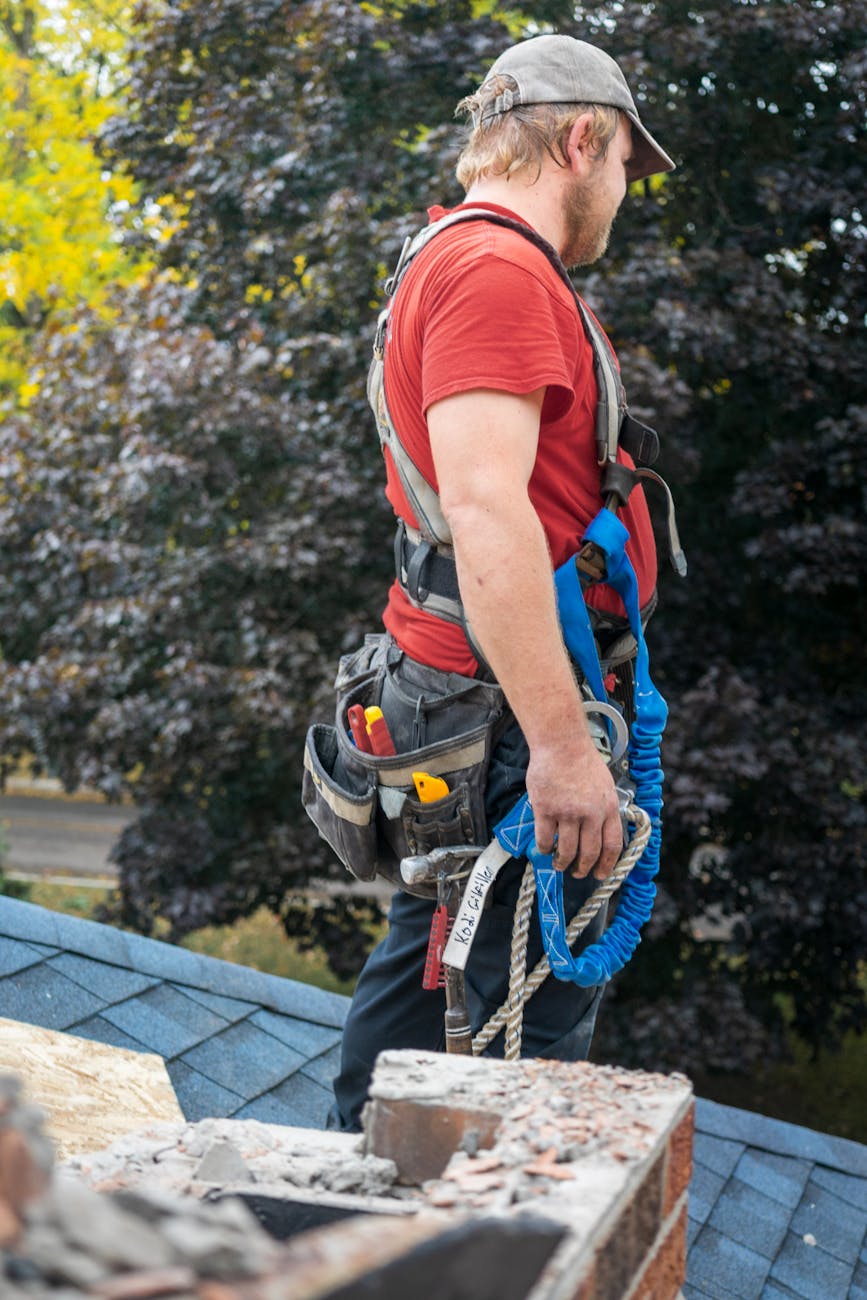
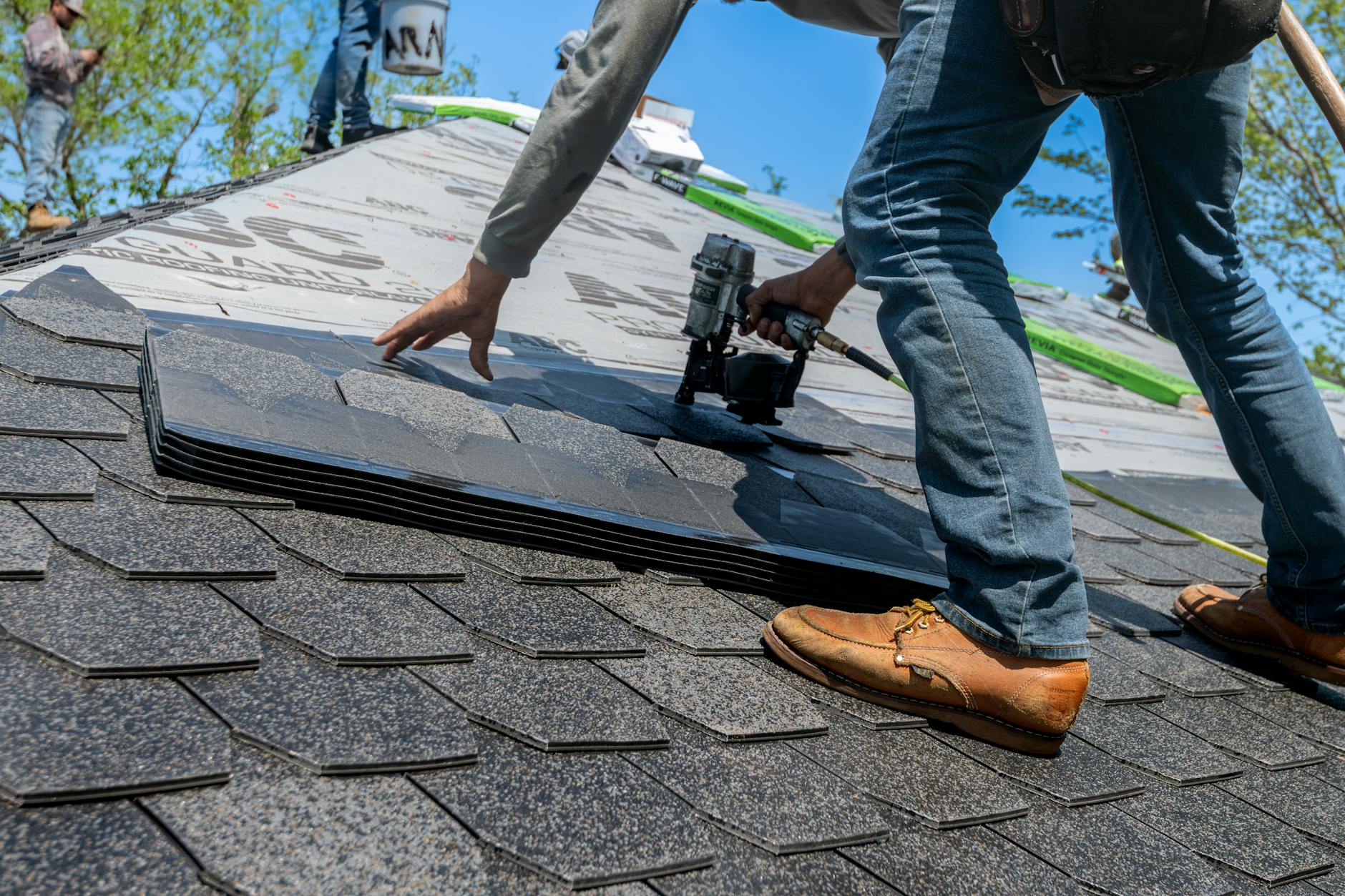
No. We climb first, photograph, write the report, and only then talk numbers.
Deductible waiver
No. We do not waive deductibles. We will report any roofer who offers to.
Workmanship warranty
10 years. Transferable on home sale. In writing on every contract.

Now run the checklist on us
Or just book a 30-minute roof walk and see for yourself.
We pass every line of the seven-step checklist above. The fastest way to verify is to put us on your roof. No pressure, no contract on the spot, photo report in your inbox within two hours either way.
If a roofer pressures you, leaves before answering questions, or won't put their warranty in writing, the Texas Department of Insurance keeps a public consumer-protection record at tdi.texas.gov/consumer/storms.